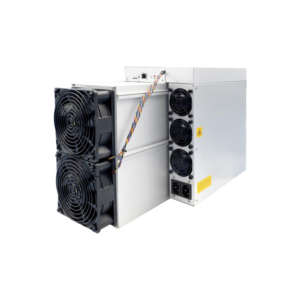
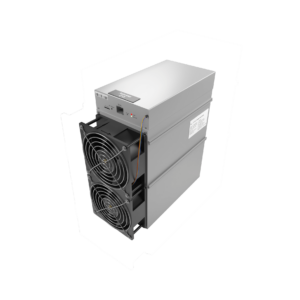
Explore Equihash ASIC miners for sale at BT-MINERS, including the Bitmain Antminer Z15, Z15 Pro and Z15K. Compare available configurations, hashrates, power requirements and delivery batches to find equipment suited to your mining plans and installation capacity.
Equihash is the proof-of-work algorithm used by Zcash (ZEC). Miner performance is commonly expressed in KSol/s, while energy efficiency is measured in J/KSol. Comparing both figures helps you understand how much mining output a machine provides for its electricity consumption. For any target cryptocurrency, check the exact miner’s documented compatibility and the pool’s current requirements.
When choosing an Equihash miner, consider purchase price, electricity rate, equipment condition and operating costs together. The original Z15 has a lower reference power demand, while the standard Z15 Pro provides higher hashrate and better efficiency per solution. Review Z15K and other batch-specific offers using the specifications of the selected option.
Before ordering, check PSU inclusion, AC input voltage, power cable requirements, warranty coverage and dispatch terms. Air-cooled ASIC miners need suitable electrical capacity, ventilation and noise management in a dedicated mining area.
For coin-specific buying information, explore our Zcash miner collection. Use the Zcash mining calculator to estimate revenue and electricity costs with your selected unit’s hashrate and wall power. Include pool fees, uptime, cooling and other expenses when evaluating results. Mining estimates change with market and network conditions, and payback periods are not guaranteed.
FAQs
-
What is an Equihash ASIC miner?
An Equihash ASIC miner is a dedicated machine designed to perform proof-of-work calculations for a supported Equihash network. These miners have model-specific hashrates, power requirements and efficiency ratings. Choose hardware documented to support the cryptocurrency you intend to mine.
-
Can an Equihash miner mine every Equihash cryptocurrency?
Compatibility depends on the exact algorithm parameters, miner hardware, firmware and pool requirements. Cryptocurrencies using the Equihash name are not automatically compatible with the same ASIC. The models in this collection are listed for Zcash mining; check current documentation before using them on another network.
-
Which Equihash miners are available at BT-MINERS?
This collection includes the Antminer Z15, Z15 Pro and Z15K. Open each product page to review current prices, available hashrates, equipment condition and delivery batches. Specifications can differ between selectable options, so evaluate the exact configuration you plan to order.
-
What do KSol/s and J/KSol mean?
KSol/s means thousands of solutions per second and describes Equihash mining performance. J/KSol measures the energy consumed per thousand solutions. For comparable mining configurations, a lower J/KSol figure indicates better energy efficiency. Evaluate both figures alongside purchase price and electricity costs.
-
Should I choose the Antminer Z15 or Z15 Pro?
The standard Z15 is rated at 420 KSol/s and approximately 1,510 W. The standard Z15 Pro is rated at 840 KSol/s and approximately 2,780 W. The Pro delivers higher hashrate and better efficiency per solution, while the Z15 requires less total electrical capacity.
-
What electrical supply does an Equihash miner require?
Electrical requirements depend on the miner and its PSU. The standard Z15 Pro specifies 200–240 V AC input. A Z15 using an APW7 PSU also needs a suitable 200–240 V supply for operation at nominal load. Check the equipment’s nameplate, power cables and circuit capacity before installation.
-
Can I run an Equihash ASIC miner at home?
A home installation needs a dedicated area with sufficient electrical capacity, ventilation and noise management. Air-cooled ASIC miners produce continuous fan noise and heat. Assess the effect on occupied rooms and neighboring properties, and ensure the installation meets the selected miner’s operating requirements.
-
How do I estimate Equihash mining profitability?
Start with the selected unit’s hashrate, wall power and your electricity rate. Use our Zcash mining calculator for ZEC revenue and electricity estimates, then account for pool fees, uptime, cooling, hosting and other expenses. Results change with coin prices and network conditions; earnings and payback periods are not guaranteed.
-
Which pool and wallet should I use for Zcash mining?
Choose a pool with current ZEC support and review its connection settings, fees, payout method and minimum payout. Both f2pool and ViaBTC publish Zcash setup instructions. Use a Zcash-compatible wallet with an address format accepted by your chosen pool.